


A stellar solar lesson |30 December 2013
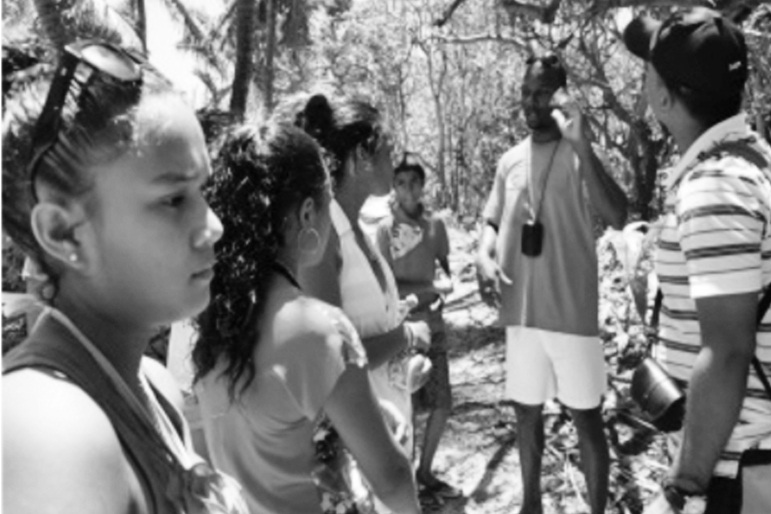
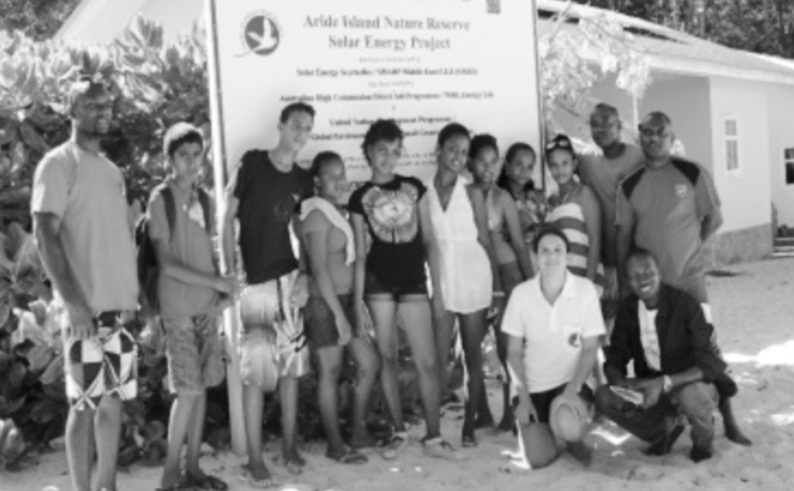
Praslin schoolchildren learn about photo-voltaic systems on Aride Island nature reserve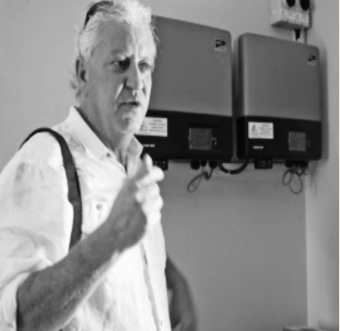 As part of the Island Conservation Society (ICS) educational programme, secondary children from Praslin and members of the Vallée de Mai wildlife clubs were invited to visit Aride Island on two Saturdays -- October 12 and November 30. An enlightening experience for the 60 visiting pupils accompanied by teachers.
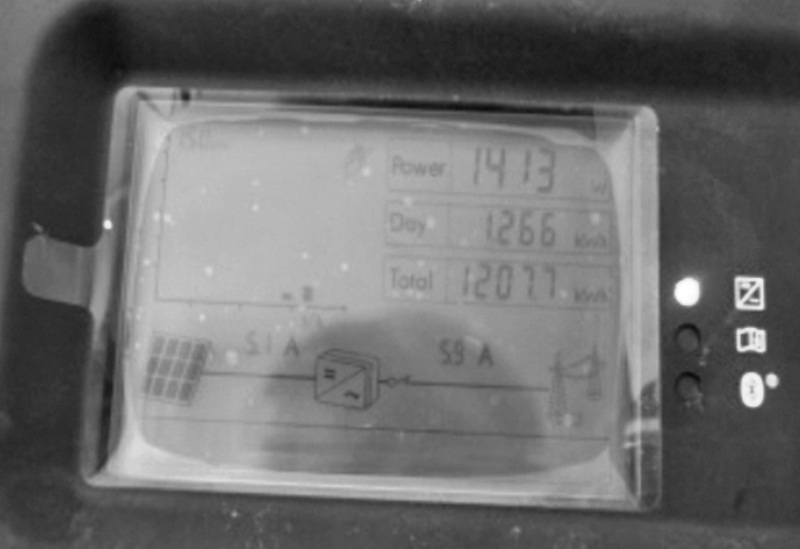
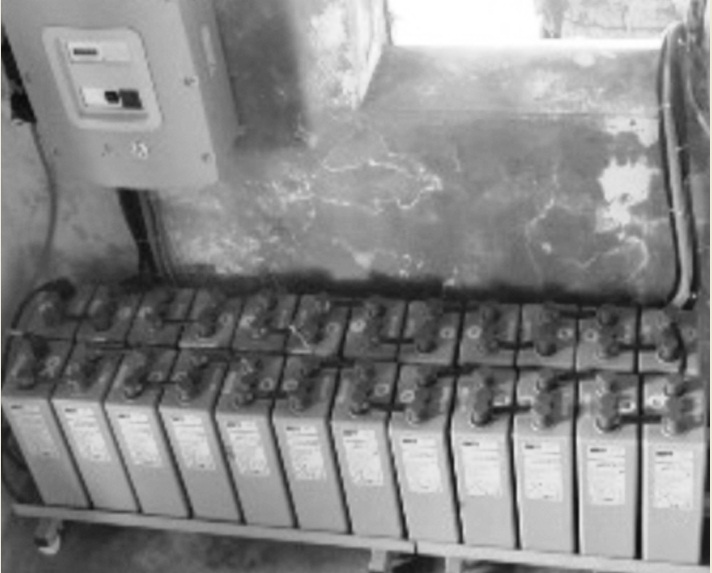
The aim of the two visits was to showcase the newly installed photovoltaic hybrid energy system that was installed on the Island in April of this year. The system represents the new generation of technology that integrates renewable energy with traditional diesel generators. The students and teachers were given details of the systems’ design and operation by Tim Kirkpatrick, an independent renewable energy and climate change consultant representing GVI Seychelles/ Solar Energy Seychelles.
Tim is about to complete an MSc in renewable energy and now intends to concentrate on designing and installing off grid renewable energy systems to replace generators in the Seychelles. His first system installation in October 2012 can be seen on Curieuse Island. It has replaced a 2kva petrol generator and saves $8,000 in generator cost annually.
The use of photovoltaics (PV) for electrical generation is the fastest growing form of renewable energy in the world. The Seychelles being only 4.7 ⁰ south of the equator is ideally placed to take advantage of the abundant sunshine in the country.
The technology uses solar cells to convert energy from the sun into electricity.
The benefits of PV systems are huge when utilised to replace petrol or diesel generators. They can pay back the financial investment needed to purchase and install them in one to three years depending on their size. Every litre of diesel or petrol burnt produces 2.4Kg of CO², the greenhouse gas that is threatening to change the world’s climate forever. Replacing generators with PV systems can save thousands of tons of CO² emissions. For many remote islands the luxury of 24 hour electricity without the need to run a generator has not been possible, today with modern affordable technology it is an achievable goal that ICS hopes to roll out to all the islands in their care in the near future.
The first phase of the project which was funded by the Australian high commission and WHL Energy with significant co-financing from Solar Energy Seychelles and SHARP Middle-East F.Z.E. (SMEF) was successfully completed in April 2013. This has significantly reduced the previous daily eight-hour operation of the generator down to only one hour per day depending on weather conditions.
Uzice Samedi (Aride Island Manager) said: “This is fantastic. So far, we have reduced the emissions of CO2 by about 4,200kg since the system was installed as well as cutting our monthly diesel consumption by about two-thirds. Before installing the system we were consuming on average 300 litres of diesel per month but now we only use about 90 litres per month.”
The second phase of the project is currently underway and is being funded by the UNDP GEF Small Grants Programme. The aim of this phase is to increase the capacity of the system and eliminate the use of the diesel generator all together. Over the next 12 months ICS will be working in close collaboration with Solar Energy Seychelles and SHARP electronics UK to help reach this goal.
Aride’s eight permanent human inhabitants now have greatly improved home comforts in the shape of reliable lighting, hot water, power for laptops and mobile phones allowing them to maintain communications with the outside world even during the southeast monsoon when leaving the island can be difficult.
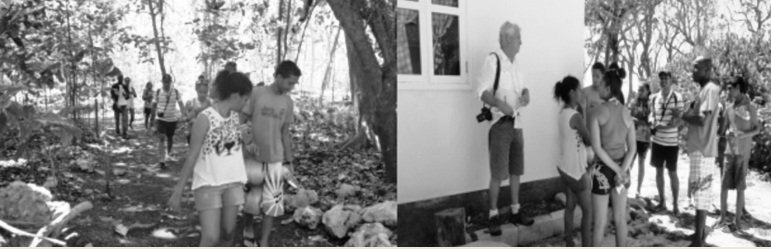
After the presentation of the PV system the Conservation Rangers guided the groups through the trails and viewpoints, showing them the flora and fauna of the island as well as highlighting the importance of conservation. On the tour of the plateau the group encountered many of Aride’s avian fauna including the Seychelles magpie robin, the Seychelles warbler, the Seychelles Fody, nesting Tropic birds in great number, Fairy Terns and Noddy terns. The group that reached the viewpoint below Gros Latete had a marvellous view of the Frigate birds wheeling above Au Cabri. The children were also amazed at the density of lizards in the trees and on the forest floor and were impressed by the size of the Wright’s Skinks. With the children’s batteries running low (ironically from too much solar exposure) much needed refreshment came in the form of a delicious barbecue. While the children were eating, a turtle emerged on the deserted beach prospecting a nesting site.
The group looked on quietly while she tried in vain to dig a nest next to the boat shed on veloutye roots. After 20 minutes she returned to the sea without laying. She would probably re-emerge later in the day, hopefully at a better location.
The students spent the rest of the day on the beach enjoying the waves.
Abigail said: “I really like Aride island; it is peaceful and there is so much nature, incredible birds , lovely waves and amazing beaches.”
Noah was equally enthusiastic : “I love seeing birds everywhere and the beach is great, so clean and no rubbish to be seen.”
The children from Baie St Anne school highlighted the beauty of being surrounded by so many of Seychelles’ unique endemic birds and reptiles.
Grande Anse school representatives said they had had a fantastic day and asked when they could come back again.
Both groups had an informative and exciting experience on Aride island and we hope that this next generation and those beyond will have an improved understanding and respect for solar energy.
The accompanying photos show highlights of the visit.
Contributed