


Seychelles puts SIDS case before UN |17 September 2005
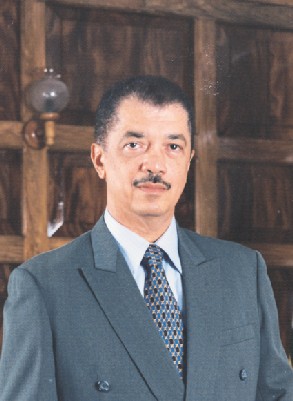
He told them that the middle-income status of many SIDS camouflages the extent of their vulnerability and the loss of trade preferences for some of the countries and the adverse impact this would have on their export capabilities should be addressed by developed countries.
He therefore called on developed countries to seriously take this issue into consideration at the forthcoming meeting of the World Trade Organisation in Hong-Kong.
“For this reason, Small Economies – in particular Small Islands Developing States – turn to the UN requesting that it acts as a fully-pledged decision-maker in economic affairs, contributing to a new world order in which more consideration is given to the specificities and vulnerabilities of SIDS,” he said.
The President said that efforts of countries having reached a middle income status should be recognised and acknowledged and that it is imperative that these countries be firmly supported to help them manage the next phase of their development.
“The drop or lack of interest of the developed world towards such countries is by nature unfair, especially when these countries have been left with no other choice but to borrow heavily to preserve the assets of their social development,” he said.
He made the remarks after apprising the leaders of the outcome of the international meeting held in Mauritius in January this year where leaders of SIDS mapped out a joint action on a range of long-term challenges from global warming to international trade and sustainable development.
“A coordinated relationship between economic development and sustainable development was emphasised. Sustainable development is not just an environmental issue but goes to the heart of all forms of development and must be considered within the whole planning process including a financial and development framework,” he said.
The President congratulated UN Secretary General Kofi Annan and his team for the remarkable preparation and organisation of the Summit, without which he said such a major event would have been restricted in its ambitions and impact.
President Michel noted that the gathering was taking place in the United States two weeks after Hurricane Katrina caused much loss of life and material damage.
“Let me express once again my deep condolences and heartfelt sympathy to the government and people of the United States of America as well as to all those who have been affected by this catastrophe,” he said.
“Late last year in the Indian Ocean – with the tsunami – and now in America, we are reminded that natural disasters know no borders,” the President said.
He said that wherever they hit, such tragedies stress the importance of collective responses and in the case of countries with limited relief and emergency resources underscore the need for coordinating international efforts within the UN framework.
“Of equal importance is the collective task of investing in preparedness and in reducing vulnerability to natural disasters, in order to strengthen national and regional capacities in the fields of risk assessment, hazard monitoring, warning system, information and knowledge sharing, and training,” he said and called on UN members to enhance the effectiveness of their collective efforts, before, during and after such tragic events.
“Most of us advocate a stronger and more effective United Nations, a practical and result-oriented United Nations, with less bureaucracy and a new ethics based on a human-centred strategic vision of what development is.
“However pertinent our reservations and criticisms may be with regard to the present situation, the United Nations has an indisputable record of achievements over its 60 years of existence,” he said.
“This fact should not be overshadowed and I would like to pay a tribute to the UN for its success in promoting acceptable norms and standards governing international relations and confronting problems affecting humankind,” President Michel said.
He said that in a changing, challenging and often unpredictable world, where the task of protecting one’s respective national interests is becoming incredibly complex, the UN Charter continues to give its members that particular sense of common direction which they need to adjust our priorities and keep thinking globally.
President Michel is accompanied on his trip by Secretary of State in the President’s Office Alain Butler-Payette, principal secretary for Foreign Affair Ambassador Claude Morel and Seychelles Permanent Representative to the UN Ambassador Jeremie Bonnelame.